
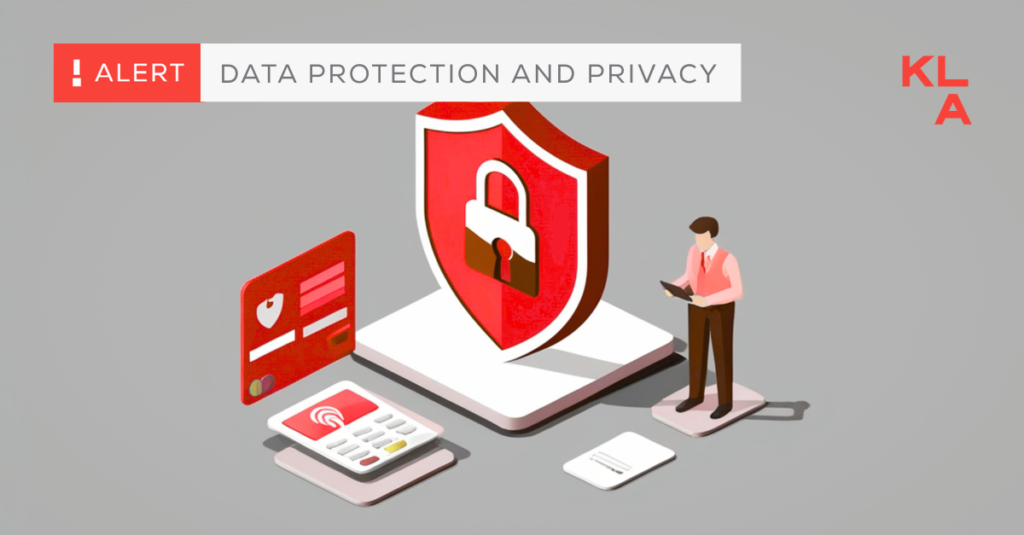
Celebrated on January 28, this date is an important opportunity to reflect on and raise awareness about the importance of privacy and the protection of personal data, especially in a context of increasing digitalization of social, economic, and institutional relationships. It reinforces the understanding that data protection is no longer just a legal matter, but one that is directly embedded in the daily lives of individuals and businesses, with a direct impact on trust in relationships and the protection of fundamental rights.
In a scenario where personal information is continuously collected, stored, shared, and processed, adopting appropriate security measures is no longer simply a good practice – it is essential. The lack of effective protection may lead to security incidents, fraud, unauthorized access, and misuse of data, resulting in legal consequences as well as financial and reputational damage.
Small actions can make a big difference: using strong passwords and secure credentials, implementing additional authentication mechanisms, paying close attention to physical and digital documents, and carefully assessing when and with whom data is shared all significantly contribute to risk reduction. It is also important to remain alert to suspicious communications, links, and unexpected requests, which are often common tactics used in fraud and social engineering attempts.
Thus, International Data Protection Day reaffirms the centrality of privacy as a legal and social value, promoting a culture of data protection based on prevention, transparency, and accountability. More than just meeting legal requirements, protecting personal data represents an ongoing commitment to security, ethics, and respect for the rights of data subjects, which are essential elements for building a more secure and reliable digital environment.
With a preventive and business-oriented approach, KLA Advogados contributes to mitigating regulatory, reputational, and operational risks, promoting compliance, legal certainty, and trust in relationships between organizations, data subjects, and competent authorities.

